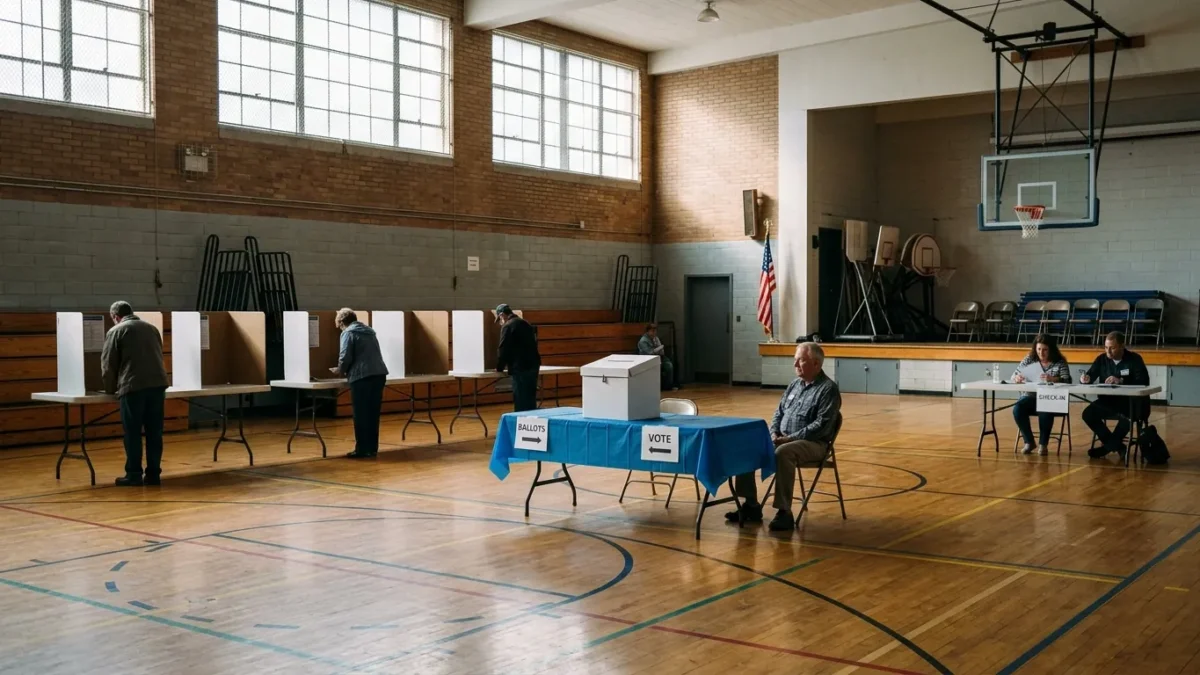
Election Day is Tuesday, November 3, 2026, and voters across the country will decide federal, state, and territorial races on their ballots. With congressional seats, governor offices, state legislatures, judges, and local measures on the line, voters face many decisions that shape policy. Understanding what is on the ballot helps voters prepare before heading to the polls.
Because states run elections, the offices and issues you see depend on where you live. This guide outlines the key offices, dates, and official resources available for the upcoming vote.
What Changed for the 2026 Midterm Elections
During midterm election cycles, the full membership of the federal House and a portion of the Senate undergo a public vote. All 435 seats in the U.S. House are up for election on Tuesday, November 3, 2026. Representatives in every congressional district face voters, making the House a primary focus of the national ballot.
In the upper chamber, 35 of the 100 U.S. Senate seats are contested. This group consists of 33 regular seats plus 2 special elections. While all 435 seats in the House are decided, only a portion of the 100 Senate seats is on the ballot.
State executive offices are also on the ballot. There are 39 governor races, spanning 36 states and 3 territories. Beyond these seats, ballots also include state legislatures, judges and local measures, which differ by state. These non-federal items address regional rules and community policies.
Who the Midterm Elections Affect
The midterm elections affect residents across every state and territory. Federal lawmakers in the U.S. House and U.S. Senate pass national laws, establish budgets, and set policy priorities. Because all 435 seats in the U.S. House and 35 of the 100 U.S. Senate seats are on the ballot, voters help determine the direction of federal policy.
State and local contests affect daily life just as directly. The 39 governor races across 36 states and 3 territories determine executive leadership for state programs and agencies. Meanwhile, state legislatures write laws, judges interpret legal disputes, and local measures address community projects. These state contests can influence local rules, including items such as state minimum wage changes.
Because ballots differ by state, each voter faces a distinct list of decisions. Readers can explore more news explainers published by BoringMagazine.Co to follow related civic and policy developments.
Key Dates and Numbers on the Ballot
Tracking key dates and numbers helps voters plan their voting steps. Election Day is Tuesday, November 3, 2026, but registration deadlines happen earlier depending on state laws.
Here are the key figures on the ballot:
- U.S. House: All 435 seats in the U.S. House are up for election.
- U.S. Senate: 35 of the 100 U.S. Senate seats are contested, including 33 regular seats plus 2 special elections.
- Governors: There are 39 governor races, covering 36 states and 3 territories.
- State and local seats: Ballots also include state legislatures, judges and local measures, which differ by state.
States run elections, so registration deadlines differ. Some states allow same-day registration, while others closed registration weeks before Election Day. For example, Texas closed registration on October 5 and North Carolina closed registration on October 9.
Voters organizing their voting plans for Tuesday, November 3, 2026, can also check our guide on the daylight saving time schedule to plan their morning and evening routines.
What to Do Now to Prepare
As of October 2026, voters should verify their registration records and locate their voting resources. Because states run elections, rules differ by location, making early preparation helpful.
Voters can take practical steps to prepare:
- Check your registration: Confirm your status early. Some states allow same-day registration, but others closed registration weeks before, such as Texas on October 5 and North Carolina on October 9.
- Visit Vote.gov: Use Vote.gov, which links to every state’s official registration and lookup pages. This allows you to check official registration files and polling site details.
- Review your ballot: Ballots also include state legislatures, judges and local measures, which differ by state. Looking at a sample ballot helps you review all measures before voting.
- Plan for Election Day: Set a schedule to vote on Tuesday, November 3, 2026, and confirm your local polling hours.
This explainer provides general information only, not financial, legal or medical advice. Because voting rules differ by state, readers should check the official source for their own situation to confirm local details.
FAQ
What federal offices are on the ballot in the 2026 midterm elections?
All 435 seats in the U.S. House and 35 of the 100 U.S. Senate seats are up for election on Tuesday, November 3, 2026. The contested Senate seats include 33 regular seats plus 2 special elections. These federal races appear alongside state and local contests on ballots across the country.
Which governor races and state positions are being decided?
Voters will decide 39 governor races across 36 states and 3 territories on Election Day. Ballots also include state legislatures, judges and local measures, which differ by state. Voters should look up their local sample ballot to see the exact contests decided in their jurisdiction.
How do voter registration deadlines differ across states?
States run elections, so registration deadlines differ, with some states allowing same-day registration while others closed registration weeks before Election Day. For example, Texas closed registration on October 5 and North Carolina closed registration on October 9. Voters can visit Vote.gov, which links to every state’s official registration and lookup pages.