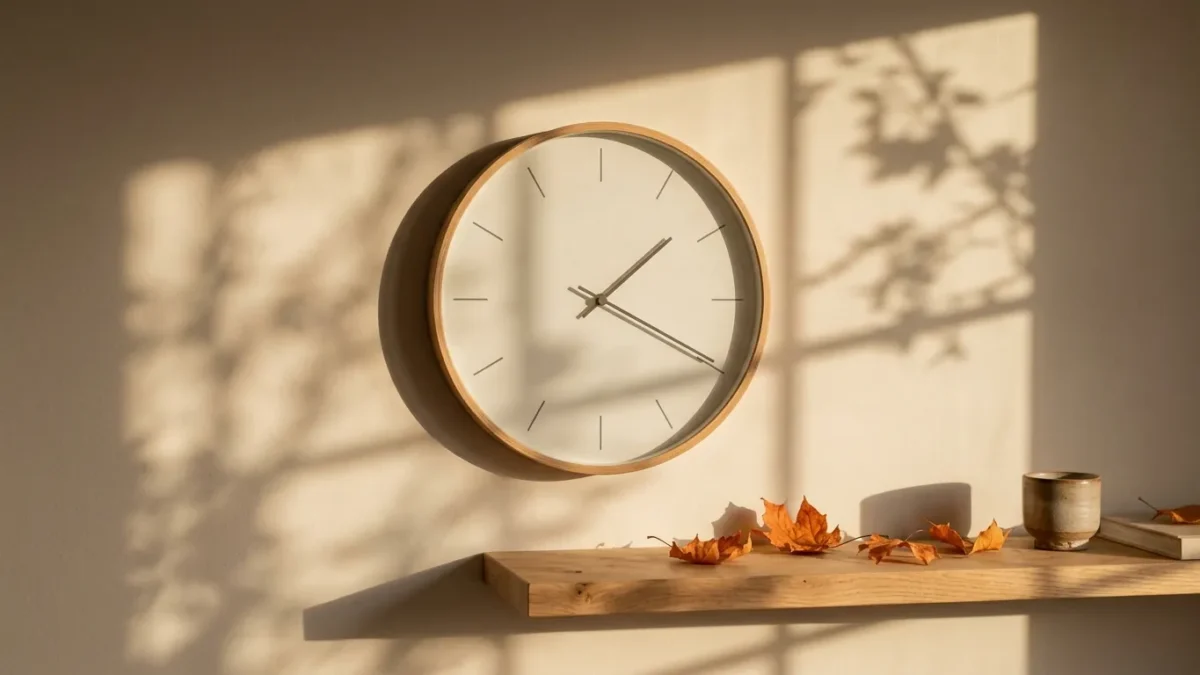
Daylight saving time ends on Sunday, November 1, 2026, at 2:00 a.m. local time, when clocks fall back one hour. Most people across the United States will turn their clocks back before going to bed on Saturday night to ensure their clocks display the correct hour on Sunday morning. This autumn shift marks the return to standard time for the winter months. Readers looking for clear reporting on national schedules can find trusted updates at BoringMagazine.Co. For further coverage of policies that shape daily routines, explore more news explainers across our platform.
What Changed with Federal Time Legislation
The House passed the Sunshine Protection Act (permanent daylight saving time) on July 14, 2026, by 308-117. That measure proposed making daylight saving time permanent across the nation, which would end seasonal clock adjustments. Following that House vote, the bill was referred to the Senate Commerce Committee. As of October 2026, the bill has not become law, so the November change goes ahead.
Under current federal law (the Uniform Time Act), a state may opt out of daylight saving time but may not adopt it year-round on its own. While state legislatures have the legal authority to keep their jurisdictions on standard time throughout the entire year, federal statutes do not allow a state to stay on daylight saving time permanently without congressional approval. Until federal legislation passes Congress and receives final approval, the standard autumn reset remains mandatory for all states that observe daylight saving time.
Who Does Not Change Clocks
Not every part of the country adjusts its clocks in November. Hawaii and most of Arizona stay on standard time all year; the Navajo Nation in Arizona does observe daylight saving time. Hawaii and most communities in Arizona chose to opt out under federal law, keeping their local time uniform throughout the entire year.
The Navajo Nation in Arizona represents a specific exception. Because the Navajo Nation extends across state boundaries, it observes daylight saving time to keep hours consistent across tribal territory. Anyone traveling through northern Arizona will experience a time difference between the reservation and surrounding Arizona areas that remain on standard time.
U.S. territories such as Puerto Rico and Guam do not observe daylight saving time. Residents in Puerto Rico and Guam maintain standard time throughout every season. People scheduling telephone calls, remote meetings, or travel between the mainland and these territories must remember that local clocks in those jurisdictions will not shift on Sunday, November 1, 2026.
Key Dates and Numbers for the Fall Time Shift
The primary date for the upcoming clock change is Sunday, November 1, 2026. At 2:00 a.m. local time on that date, clocks fall back one hour. The adjustment provides an extra hour of rest during the night and brings sunrise earlier by clock time.
In Congress, the key legislative record includes the House vote on July 14, 2026, when the House passed the Sunshine Protection Act by 308-117. The proposal was referred to the Senate Commerce Committee, where it remains without becoming law. Because no federal statute has replaced existing rules, the Uniform Time Act remains fully in force.
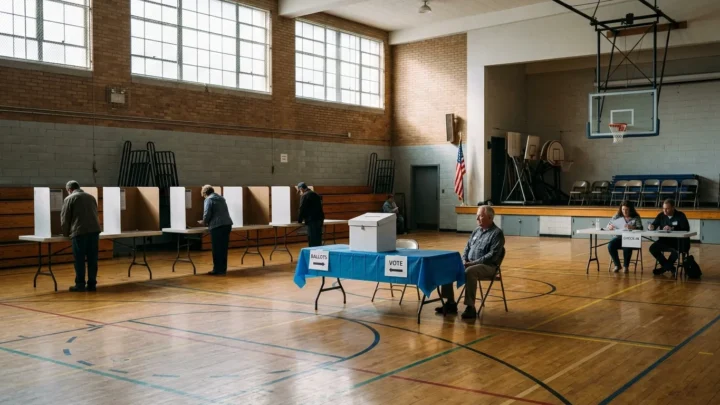
For citizens tracking major civic events occurring shortly after the time change, consult our reporting on the Midterm Elections on November 3, 2026: What Is on the Ballot. Checking official dates helps ensure that personal schedules proceed smoothly.
What to Do Now to Prepare for the Clock Change
Preparing for the end of daylight saving time involves a few practical actions. Most internet-connected devices, such as smartphones, laptops, tablets, and smartwatches, synchronize automatically overnight. However, manual timepieces and household appliances still require physical adjustment.
Here are practical steps households can follow before Sunday morning:
- Adjust manual wall clocks, wristwatches, and bedside alarm units back one hour on Saturday night.
- Reset internal clocks on kitchen appliances, including ovens, microwave units, and coffee makers.
- Update vehicle dashboard clocks that do not connect to wireless time signals.
- Inspect household smoke alarms and carbon monoxide detectors, replacing backup batteries as a standard seasonal precaution.
- Shift bedtimes slightly earlier over several days before Sunday, helping the body adapt to earlier evening darkness.
- Confirm travel itineraries, bus schedules, or work shifts scheduled during early Sunday morning hours to confirm arrival times.
- Coordinate communications with friends, family, or colleagues in Hawaii, most of Arizona, Puerto Rico, or Guam to verify time differences.
This article provides general information only. Check your state or territory’s official sources to confirm local schedules.
FAQ
When does daylight saving time end in 2026?
Daylight saving time ends on Sunday, November 1, 2026, at 2:00 a.m. local time, when clocks fall back one hour. Most households set their manual clocks back before going to bed on Saturday night.
Does all of Arizona skip daylight saving time?
Hawaii and most of Arizona stay on standard time all year; the Navajo Nation in Arizona does observe daylight saving time. As a result, time on the Navajo reservation differs from the rest of Arizona during daylight saving time.
Can a state choose permanent daylight saving time on its own?
Under current federal law (the Uniform Time Act), a state may opt out of daylight saving time but may not adopt it year-round on its own. While the House passed the Sunshine Protection Act on July 14, 2026, by 308-117, it was referred to the Senate Commerce Committee and has not become law, so the November change goes ahead.