The main difference between Goodyear welt and Blake stitch construction lies in how the sole connects to the upper: a Goodyear welt uses an intermediate leather strip with two separate rows of stitching, whereas a Blake stitch joins the outsole directly through the insole with a single row of interior thread.
Cementing, by contrast, eliminates stitches altogether by bonding the upper to the sole using chemical adhesive.
At BoringMagazine.Co, we examine traditional craftsmanship to help buyers evaluate quality before spending hard-earned money. Understanding these construction methods reveals why some shoes last decades while others fail after one season. Readers who explore our Fashion guides know that structural engineering defines footwear performance far more than brand labels or exterior finishes.
How Goodyear Welting, Blake Stitching, and Cementing Work
Goodyear welting begins by preparing an insole with a raised vertical ridge. The shoemaker pulls the upper leather and lining over a wooden or plastic foot model called a last. A machine then stitches a narrow strip of leather, known as the welt, to both the upper and the insole ridge. In a subsequent step, a second machine stitches this welt directly to the outsole. Because the two stitch lines stay independent, the interior footbed remains closed off from the outside world.
Blake stitching takes a much more direct approach. The shoemaker wraps the upper leather around the insole and glues it temporarily. Next, a specialized machine with a long mechanical horn reaches inside the shoe. This needle drives a single thread through the insole, the wrapped upper, and the outsole all at once. The thread is visible inside the shoe under the wearer’s foot, though manufacturers usually insert a thin sockliner to cover it.
Cementing skips mechanical sewing entirely. Factory machines roughen the bottom edges of the upper leather to help glue stick. Workers apply high-strength polyurethane or neoprene adhesives under heat and heavy pneumatic pressure. The glue forms a chemical bond that holds the sole to the upper without any puncture holes.
Canvas Gemming, Lock-Stitching, and Assembly Steps
Goodyear welted shoes rely on a specific manufacturing component called canvas gemming. In modern factory settings, cutting a channel directly into a thick leather insole takes extensive time and thick, expensive hide. Instead, makers glue a folded strip of treated canvas ribbing, known as gemming, to the bottom of the insole. The welt stitch passes horizontally through this canvas rib rather than through the solid leather core. While traditionalists prefer hand-welting carved into solid leather, quality gemmed shoes perform reliably when bonded with stable adhesives.
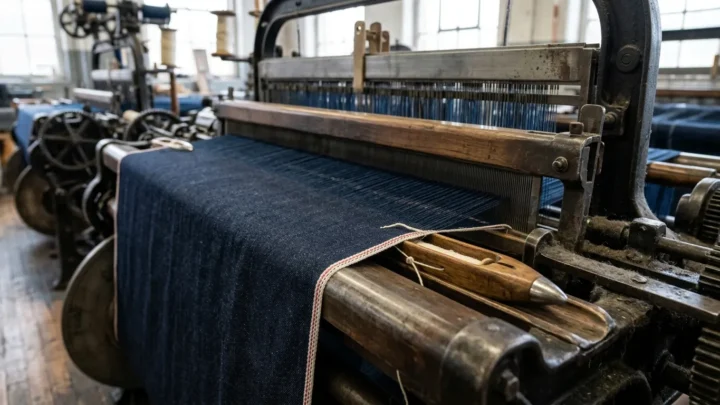
Another defining trait of welted footwear is the lock-stitch. Goodyear machines use two independent threads that wrap around each other inside every needle hole. If an external stitch rubs against pavement and snaps, the adjacent stitches stay locked in place. The entire seam will not unravel from a single break. Similar to how shuttle looms create the self-finished edge in selvedge denim to stop fabric fraying, a lock-stitch secures every individual penetration to prevent seam failure.
Blake stitching, on the other hand, frequently uses a chain stitch or a simpler lock pattern that runs directly through the footbed. Cemented construction avoids needles completely. Shoe factories favor cementing because it requires fewer manual steps, reduces labor costs, and speeds up production lines. However, glue can dry out, crack, or delaminate when exposed to excessive heat or repeated flexion.
Water Ingress Resistance and Daily Flexibility
The physical path of moisture varies dramatically across these three shoe builds. Goodyear welting creates a strong barrier against ground water. Because the welt stitch runs horizontally into the gemming, there is no vertical path connecting the damp pavement to your socks. The void between the insole and outsole is filled with granulated cork paste. This cork layer absorbs foot sweat, molds to your foot shape over time, and blocks damp conditions.
Blake stitching offers much less resistance to water ingress. The needle drives straight down from the outside sole into the inner footbed. Water on wet sidewalks can wick along these thread fibers straight into the shoe through capillary action. Walking through heavy rain in Blake stitched shoes often leads to wet feet quickly unless the maker adds protective rubber outsoles.
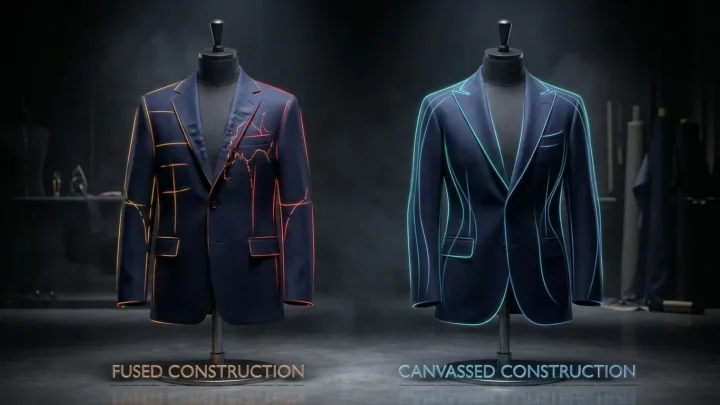
However, Blake construction provides superior out-of-the-box flexibility. Without the extra welt strip and stiff filler cavity, the sole can bend easily from the first wear. Blake shoes also feature a close-cut sole edge, creating a slim, sleek silhouette. Cemented shoes also offer instant flexibility and decent moisture resistance while the adhesive remains intact. Much like the difference between fused and canvassed jackets, structural stitching preserves breathability and shape where glued layers can feel stiff or separate under pressure.
Sole Replacement Feasibility Across Construction Types
Sole replacement feasibility determines whether a pair of shoes can serve you for twenty years or must be thrown away after two. Goodyear welted shoes represent the benchmark for resoling. When the outsole wears thin, a cobbler cuts only the outer stitch that connects the outsole to the welt. The upper, the welt, the canvas gemming, and the insole stay undisturbed. A cobbler can replace outsoles five or more times before the welt itself needs replacement.
Blake stitched shoes can also be resoled, but the process has physical limits. Each repair requires pulling the old thread out and driving new needle punctures through the existing insole. Because each pass creates new holes in the leather margin, the insole weakens over time. Most cobblers recommend resoling Blake shoes no more than two or three times. Finding a repair shop with a specialized Blake stitch machine can also take extra effort outside major metropolitan areas.
Cemented shoes are the hardest to resole. Removing a glued sole requires chemical solvents or heat guns, which often rip the grain off the upper leather. Most neighborhood repair shops decline to resole cemented shoes, or they sand down the old rubber to glue a thin half-sole over the bottom.
Real Footwear Examples and Common Misconceptions
Understanding these methods explains why specific footwear styles favor distinct assembly methods. Consider these practical categories:
- Goodyear welted footwear: Classic English dress oxfords, American work boots, and heavy brogues favor Goodyear welting for longevity, weather defense, and repeat repairs.
- Blake stitched footwear: Italian loafers, slim monk straps, and formal dress slippers rely on Blake stitching for light weight, narrow sole edges, and minimal break-in time.
- Cemented footwear: Running sneakers, casual canvas shoes, and fast-fashion boots use cementing to keep prices low and maximize underfoot cushioning.
Shoppers often hold misconceptions about these techniques. A common myth claims that Blake stitching represents inferior construction. In reality, skilled makers choose Blake stitching deliberately when designing flexible, lightweight footwear for formal settings. Blake shoes prioritize refined profiles rather than heavy weather protection.
Another common myth assumes that Goodyear welting makes a shoe completely waterproof. While Goodyear welting resists moisture better than Blake stitching, leather soles remain naturally porous. If you walk through deep puddles or melting snow, dampness will penetrate the leather sole regardless of the welt. For wet climates, adding rubber half-soles provides dependable protection.
FAQ
Can a cobbler resole Blake stitched shoes?
Yes, cobblers equipped with a Blake stitch machine can resole Blake stitched shoes, although repeated repairs eventually weaken the inner leather margins. If your local cobbler lacks this specific horn-arm machine, they may glue a thin rubber sole over the worn leather bottom instead of performing a full teardown.
Is Goodyear welt construction completely waterproof?
No, Goodyear welted footwear is water-resistant rather than completely waterproof, as moisture can still penetrate leather over time during severe downpours. A storm welt adds an extra lip of leather to deflect surface water, but rubber outsoles offer the only complete barrier against standing puddles.
Why do athletic sneakers use cemented soles instead of welted construction?
Athletic sneakers use cemented soles because modern foam compounds require flexible chemical bonding that heavy needle penetrations would compromise. Cementing also keeps athletic shoes lightweight and allows factories to combine diverse synthetic materials that stitches cannot secure.