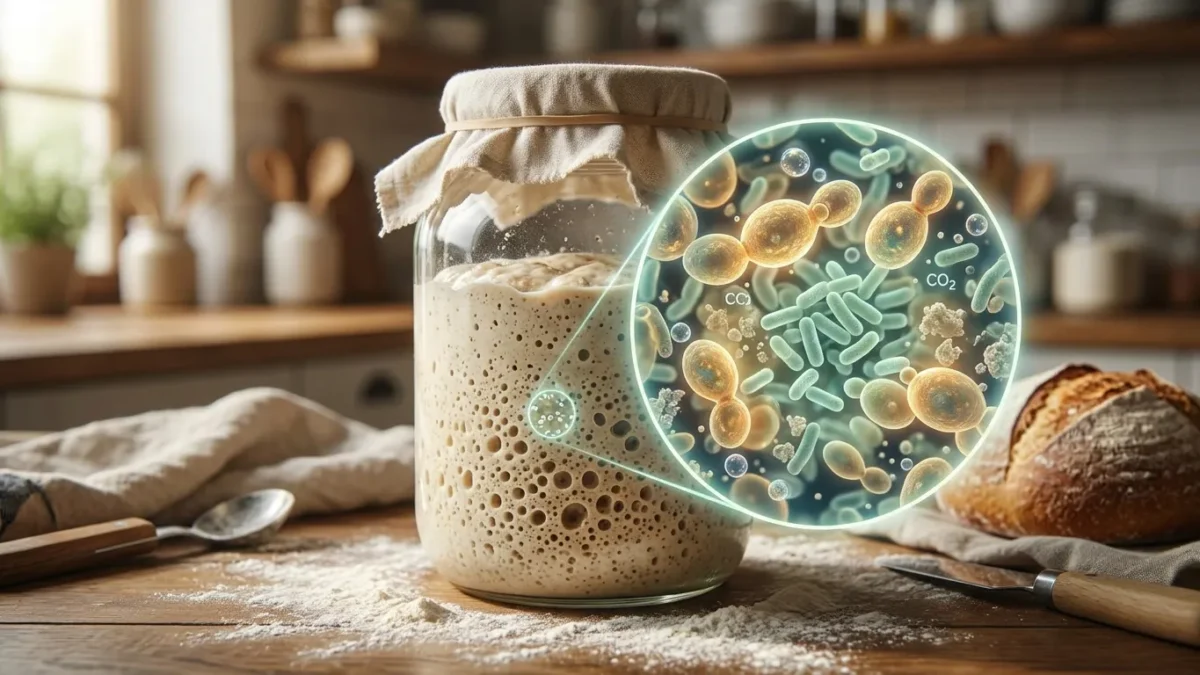
Sourdough starter microbiology works through a stable, symbiotic relationship between wild yeasts and lactic acid bacteria that feed on flour carbohydrates, generate carbon dioxide and organic acids, and maintain an acidic environment hostile to spoilage organisms.
When water mixes with ground grain, dormant microbes on the flour kernels and in the surrounding environment wake up. Over several feedings, this spontaneous mixture settles into a balanced culture where bacteria outnumber yeasts by roughly one hundred to one. At BoringMagazine.Co, we explore how simple ingredients produce complex culinary transformations. In our Food guides, we focus on the fundamental food science that dictates kitchen results.
A mature sourdough starter is not a random collection of molds and bacteria. Instead, it is a self-selecting biological community governed by strict metabolic rules. Understanding these interactions reveals why wild starters survive for decades, resist rot, and turn dense grain flour into airy, digestible bread.
How the Sourdough Ecosystem Operates
Flour provides the physical habitat and nutrient source for sourdough microflora. Whole grains carry wild fungal spores and bacterial cells on their outer bran layers. Once hydrated, two primary classes of enzymes present in wheat flour, alpha-amylase and beta-amylase, begin breaking down damaged starch granules into simple maltose, sucrose, and glucose molecules.
The primary microflora consist of two groups: fungi and bacteria. The fungi are wild yeasts, most commonly Kazachstania exigua and Candida humilis. These wild strains thrive in acidic environments. The bacterial population consists of lactic acid bacteria, predominantly species such as Fructilactobacillus sanfranciscensis and Lactiplantibacillus plantarum.
These two organisms divide labor efficiently. The wild yeasts ferment simple sugars to produce ethanol and carbon dioxide gas, which fills air pockets in the dough and causes the mixture to expand. Meanwhile, the lactic acid bacteria ferment carbohydrates into organic acids, lowering the pH of the mixture and developing the distinct sour profile.
Maltose Cooperation: The Non-Competitive Feeding Strategy
In most biological systems, two organisms sharing a food supply compete until one crowds out the other. Sourdough cultures avoid this competition through a metabolic partnership centered on maltose, the primary sugar from starch breakdown.
Fructilactobacillus sanfranciscensis requires maltose for energy. It brings maltose across its cell wall using an enzyme called maltose phosphorylase. This enzyme splits maltose into one molecule of glucose and one molecule of glucose-1-phosphate. The bacterium metabolizes the glucose-1-phosphate to produce energy, but it cannot process the remaining glucose molecule. As a result, the bacterium expels the free glucose back into the surrounding dough.
Wild yeasts like Kazachstania exigua are maltose-negative, meaning they lack the transport proteins and enzymes needed to consume maltose directly. They feed exclusively on the glucose that the bacteria pump out, along with trace amounts of sucrose and fructose in the flour. Because the bacteria ignore free glucose and the yeasts cannot eat maltose, neither organism starves. This non-competitive carbon sharing keeps the microbial balance stable across thousands of feedings.
Acid Production and Natural Pathogen Defense
The bacterial half of the starter does more than feed the yeast; it protects the culture from contamination. Lactic acid bacteria metabolize sugars via two main pathways: homofermentative and heterofermentative fermentation.
Homofermentative bacteria convert glucose almost entirely into lactic acid, which imparts a smooth, creamy acidity reminiscent of yogurt. Heterofermentative bacteria, such as Fructilactobacillus sanfranciscensis, use the phosphoketolase pathway to yield lactic acid, acetic acid, carbon dioxide, and ethanol. Acetic acid provides the sharp, vinegar-like bite found in traditional artisan loaves.
Together, these organic acids drive the pH of the starter down from an initial flour baseline of roughly 6.0 to an acidic range between 3.8 and 4.2. This sharp drop in pH creates a biochemical barrier. Pathogenic bacteria such as Salmonella, Escherichia coli, and Staphylococcus aureus cannot survive or reproduce in an environment below pH 4.5. Common airborne mold spores from genera like Aspergillus and Penicillium also struggle to germinate in such sour conditions.
Lactic acid bacteria also produce bacteriocins, which are specialized antibacterial proteins that inhibit rival bacterial strains. Through acid production and bacteriocin release, the established culture sterilizes its own environment, ensuring that wild dough remains pure without refrigeration.
Key Differences in Fermentation Pathways and Dough Behavior
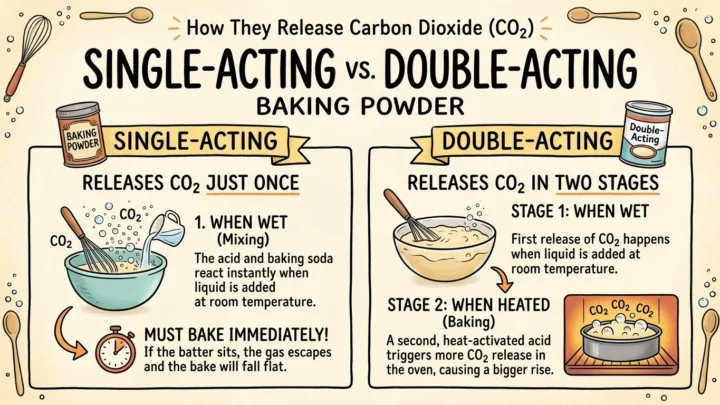
Understanding starter biology clarifies the structural differences between naturally leavened dough and loaves made with commercial additives. In rapid commercial baking, leavening depends on instant dry yeast or chemical reactions, such as how chemical leaveners release carbon dioxide through alkaline and acid salts. Chemical leaveners act within minutes and do not alter dough acidity, whereas wild fermentation requires hours of enzymatic work.
During slow sourdough fermentation, the accumulation of lactic and acetic acid changes the physical properties of gluten. Moderate acidity tightens gluten strands and improves gas retention, helping dough capture carbon dioxide bubbles. However, excessive acidity weakens gluten proteins because cereal proteases become highly active at low pH levels, which can cause dough to turn slack and sticky if over-fermented.
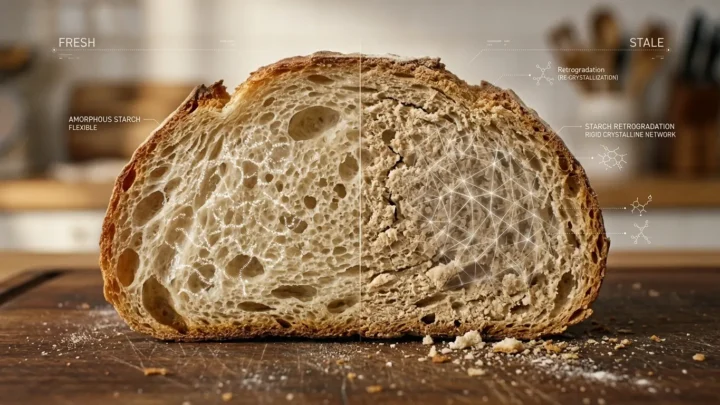
Bacterial fermentation also transforms starch behavior in finished bread. The organic acids produced by lactic acid bacteria limit enzymatic starch degradation during baking and alter how amylose chains realign after cooling. This biochemical shift slows down starch retrogradation in bread and pasta, which explains why artisan sourdough loaves stay soft for days without synthetic preservatives.
Common Mistakes and Misconceptions in Sourdough Maintenance
Bakers often misinterpret the biological signals of their starters, leading to improper maintenance routines. Recognizing how temperature and hydration influence microflora prevents common feeding errors.
Here are three frequent mistakes bakers make when managing starter cultures:
- Underfeeding at warm temperatures: Storing a starter above 75 degrees Fahrenheit accelerates bacterial metabolism. When bacteria exhaust available sugars, acids accumulate, suppressing yeast activity and producing a thin, dark liquid known as hooch.
- Confusing hooch with mold: Dark liquid on top of a dormant starter is hooch, an alcohol byproduct of yeast starvation. It can be poured off or stirred back in before feeding fresh flour.
- Using chlorinated water: Tap water with high chlorine or chloramines can kill surface bacteria and yeasts during early feedings. Using filtered water protects these organisms.
A persistent misconception is that a starter takes its microbes primarily from the baker’s kitchen air. In reality, the vast majority of wild yeasts and lactobacilli originate on the grain husks of the flour itself. Washing hands and sanitizing jars keeps stray contaminants away, but the flour provides the foundational ecosystem.
From a safety perspective, an established starter with a healthy smell and bubbly volume is naturally protected. However, if a culture develops fuzzy green growth, black mold, or pink streaks, the acidic barrier has failed. Discard any moldy starter immediately. If you have questions about foodborne illness or compromised foods, consult a public health professional or local agricultural extension office.
FAQ
Can bad bacteria survive in an established sourdough starter?
Bad bacteria cannot survive in an established sourdough starter because the low pH created by lactic acid bacteria drops below the survival threshold of common foodborne pathogens. Pathogens like Salmonella and Staphylococcus aureus require a near-neutral environment to multiply. Once lactic and acetic acids reduce the pH below 4.2, these organisms die off rapidly.
Why does a sourdough starter produce both lactic and acetic acid?
A sourdough starter produces both lactic and acetic acid because heterofermentative lactic acid bacteria metabolize sugars through the phosphoketolase pathway, generating two distinct organic acids. Lactic acid provides a mild, milky sourness, while acetic acid gives the bread a sharp, tangy bite. Bakers can control the balance between these acids by adjusting hydration and fermentation temperature.
How does wild yeast differ from commercial baker’s yeast?
Wild yeast strains in sourdough starters tolerate acidic conditions and thrive on glucose without competing for maltose, whereas commercial baker’s yeast is optimized for rapid gas production in neutral or mildly acidic dough. Commercial baker’s yeast struggles to leaven dough when the pH drops below 4.0. In contrast, wild yeasts like Kazachstania exigua maintain strong fermentation rates even in very acidic starters.