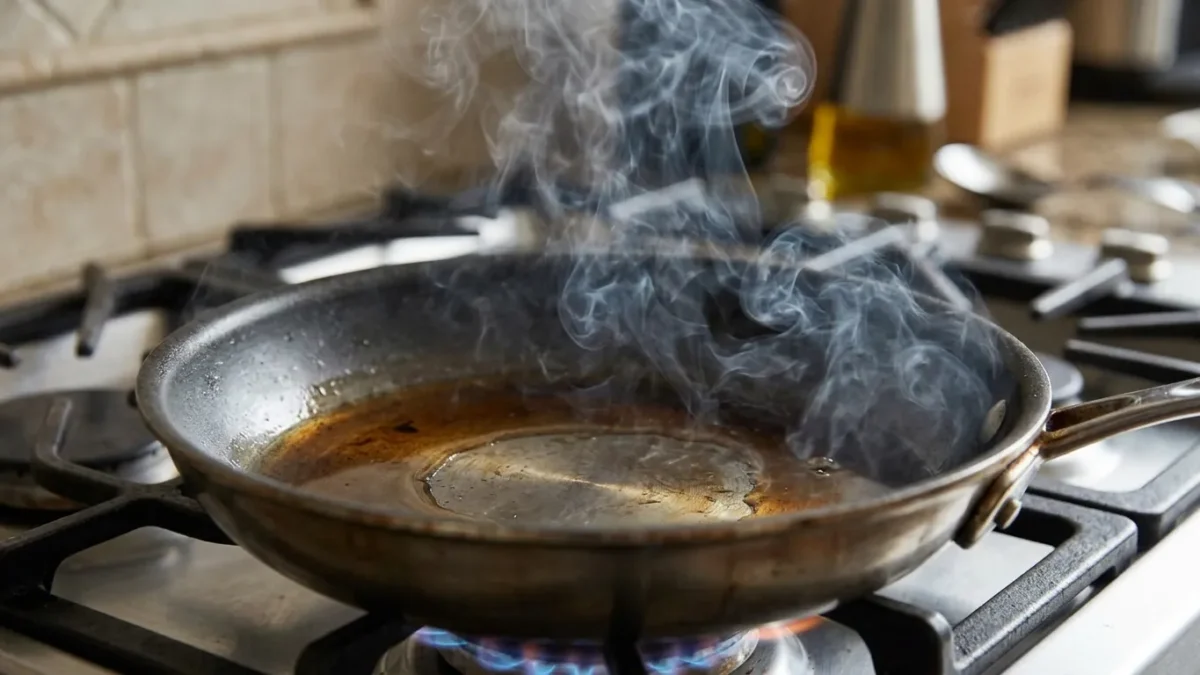
When cooking oil smokes chemically, high thermal energy causes triglycerides to break down into free fatty acids and glycerol, which then dehydrates into volatile compounds including acrolein. This transformation marks the boundary where a fat ceases to act as an effective heat conductor and begins thermal decomposition. At this threshold, visible blue-gray smoke rises from the surface of the pan, signaling the release of irritating vapors and degraded lipid fragments. Understanding these chemical shifts helps home cooks and professional chefs protect the flavor of their food while avoiding unwanted fumes. At BoringMagazine.Co, we examine the molecular changes behind everyday cooking methods to bring clarity to your kitchen routine.
The Molecular Structure of Cooking Fats
Every culinary fat consists primarily of triglycerides. A triglyceride molecule consists of a single glycerol backbone bonded to three fatty acid chains through ester linkages. In an unheated state, these molecules remain stable and neutral, providing lubrication and facilitating heat transfer during cooking.
When you apply heat to a skillet, the thermal kinetic energy increases rapidly. If the temperature remains moderate, the bonds between the glycerol backbone and the fatty acid chains stay intact. The oil transfers heat evenly to ingredients, facilitating flavor development and surface crisping. If thermal energy exceeds the stability threshold of those chemical bonds, the oil can no longer maintain its original structure. The molecules break apart, initiating irreversible chemical degradation that alters flavor, texture, and aroma.
The Step-by-Step Process of Thermal Decomposition
The transition from clear liquid oil to acrid smoke follows a predictable chemical progression:
- Hydrolysis: Trace moisture from food or the air reacts with hot triglycerides. This reaction splits the ester bonds, cleaving the fatty acid chains away from the glycerol backbone. The result is an accumulation of free fatty acids, monoacylglycerols, and free glycerol molecules.
- Glycerol dehydration: Once glycerol is detached from its fatty acid chains, it cannot withstand high heat. At roughly 536 degrees Fahrenheit (280 degrees Celsius), free glycerol loses two water molecules through thermal dehydration, transforming directly into acrolein. Acrolein is an unsaturated aldehyde that vaporizes instantly, producing the sharp, stinging vapor characteristic of burning grease.
- Oxidative degradation: Atmospheric oxygen attacks the double bonds in unsaturated fatty acids. This oxidative cascade generates lipid peroxides, which rapidly fragment into secondary oxidation products like aldehydes, ketones, alkanes, and carboxylic acids.
- Polymerization: As cooking oil remains past its smoke threshold, degraded fragments cross-link to form viscous, dark polymers. These polymers form the sticky, resinous film often found on the sides of ill-maintained cookware.
Why Different Oils Smoke at Different Temperatures
The smoke point of an oil is not determined by its source plant alone, but primarily by its degree of refinement and its concentration of free fatty acids. Intact triglycerides have relatively high thermal stability. In contrast, free fatty acids have lower boiling points and vaporize at far lower temperatures.
Unrefined oils, such as extra virgin olive oil or unrefined toasted sesame oil, contain minerals, plant particles, water, and free fatty acids. These non-triglyceride components degrade quickly, causing the oil to produce smoke at temperatures between 325 and 375 degrees Fahrenheit. Refined oils, such as refined avocado oil, canola oil, or peanut oil, undergo neutralization, bleaching, and deodorization. This manufacturing process removes free fatty acids, impurities, and volatile solids, raising the smoke point to 450 degrees Fahrenheit or higher.
Fatty acid saturation also influences stability. Saturated fats like clarified butter (ghee) lack double carbon bonds, making them resistant to oxidative breakdown. Polyunsaturated oils, such as walnut or flaxseed oil, contain multiple reactive double bonds that break down easily when heated, even if the oil appears clear.
Real Kitchen Scenarios: Searing Versus Gentle Cooking
Selecting the right cooking fat depends on the specific cooking technique and the temperatures involved. In high-heat cooking techniques such as stir-frying or pan-searing meat, pan temperatures frequently exceed 400 degrees Fahrenheit. For these methods, neutral refined oils like refined safflower, rice bran, or light olive oil provide the thermal tolerance necessary to brown meat without smoking. This high surface temperature supports the chemical difference between the Maillard reaction and caramelization, producing savory crusts on proteins without scorched off-notes.
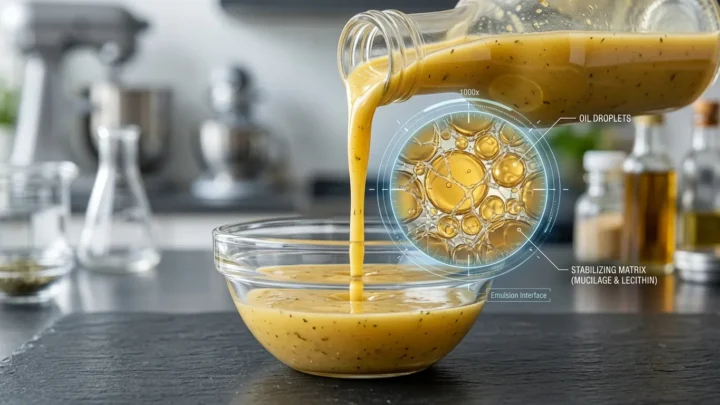
Conversely, gentle culinary tasks do not require high-temperature resistance. Finishing sauces, dipping bread, or whisking a cold vinaigrette work best with unrefined oils that retain their natural aromatic compounds. In our Food guides, we emphasize matching fat structure to heat exposure so that delicate compounds remain intact. To understand how cold preparations maintain stability without heat, explore how emulsifiers keep oil and water stable in homemade dressings.
Common Misconceptions About Smoke Points and Oil Safety
Many home cooks believe that an oil’s published smoke point remains identical throughout the cooking process. In reality, the smoke point of cooking oil drops each time it is heated, reused, or exposed to food debris. Moisture released from ingredients accelerates hydrolysis, while burnt crumbs introduce catalytic carbon particles that lower the breakdown temperature of subsequent batches.
Another common mistake is assuming that smoke indicates rich wok flavor. True high-heat wok cooking, known as wok hei, relies on vaporized oil droplets catching heat in the air without charring the pool of liquid oil in the bottom of the vessel. When standing oil smokes in a flat pan, it simply produces bitter, burnt flavors that ruin the meal.
Some cooks also assume that extra virgin olive oil cannot withstand standard stove cooking. While extra virgin olive oil has a lower smoke point than refined oils, its high monounsaturated oleic acid content and abundant natural polyphenols provide good resistance to oxidative damage at moderate pan temperatures. For high-heat frying, however, refined alternatives remain the practical choice.
FAQ
Is breathing smoke from hot cooking oil harmful?
Inhaling smoke from burning cooking oil is harmful because it contains acrolein and other volatile aldehydes that irritate the respiratory tract and eyes. Prolonged exposure to aerosolized degradation products can cause coughing, throat irritation, and shortness of breath. Always run an exhaust hood or open nearby windows if oil begins to smoke. If you experience persistent respiratory discomfort after kitchen smoke exposure, consult a medical professional for guidance.
Can you save oil after it has started smoking in the pan?
You should discard cooking oil once it reaches its smoke point because the fat molecules have permanently degraded into acrid, bitter compounds. Even if you cool the pan down, the free fatty acids and volatile aldehydes remain dissolved in the liquid fat. Cooking food in thermally damaged oil imparts a harsh, scorched flavor and accelerates further oil breakdown. Wipe the pan clean, allow it to cool slightly, and begin again with fresh oil.
Does a high smoke point make an oil healthier for high-heat cooking?
A high smoke point does not automatically make an oil healthier, because oxidative stability and fatty acid composition also dictate how a fat behaves under heat. Some oils with high smoke points contain high levels of polyunsaturated fats that form lipid peroxides when heated for extended periods. For specific dietary recommendations regarding saturated versus unsaturated fat intake, speak with a registered dietitian or healthcare provider.