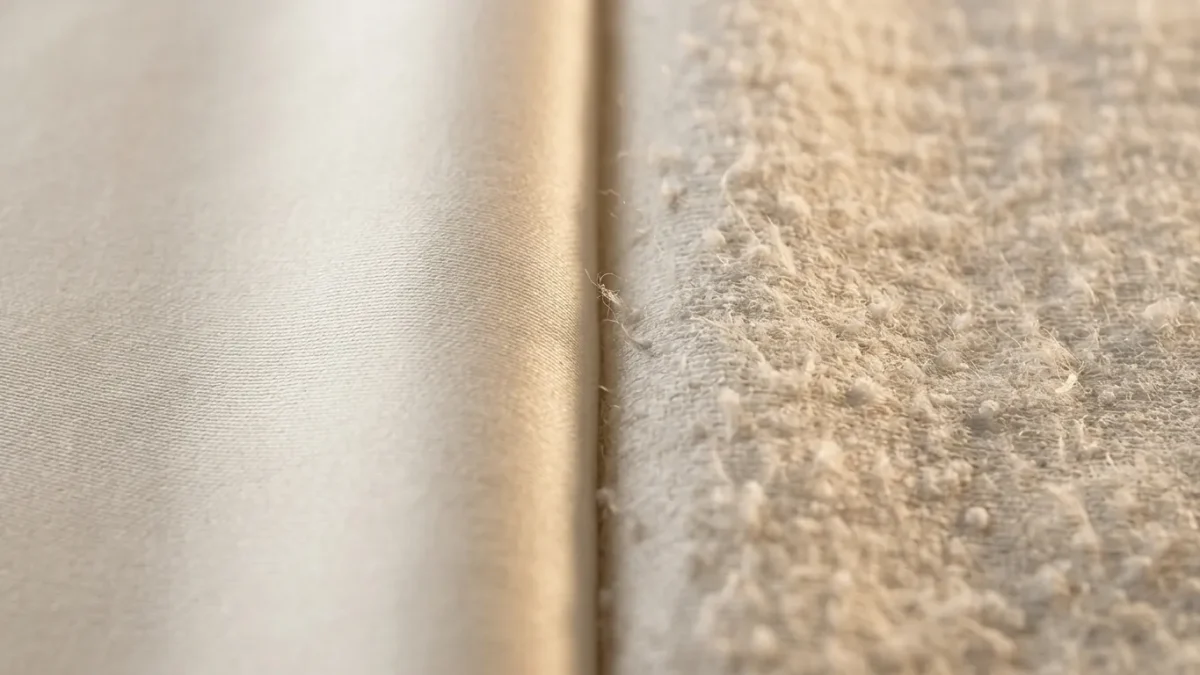
When evaluating thread count vs staple length cotton, staple length is the primary factor determining fabric smoothness, tensile strength, and long-term durability. For decades, retail bedding and apparel brands convinced buyers that higher numbers on a package automatically guaranteed luxury. That assumption is inaccurate. A sheet set labeled with an 800 thread count often feels rougher and degrades faster than a 300 thread count sheet made from superior raw cotton.
At BoringMagazine.Co, we track how material composition shapes textile performance across everyday clothing and household goods. Understanding the physical properties of the cotton plant helps you bypass marketing traps and choose woven goods that feel softer with each wash cycle.
What Cotton Staple Length Actually Means
Staple length refers to the physical length of individual plant fibers harvested from the cotton boll. Raw cotton falls into three broad categories: short-staple, medium-staple, and long or extra-long staple (ELS). Short-staple fibers measure less than 1.125 inches. Medium-staple fibers, which make up the vast majority of commercial American Upland cotton crops, range between 1.125 and 1.25 inches. Long-staple and extra-long staple varieties, including Pima, Supima, and specific Egyptian strains, grow fibers measuring 1.375 inches or longer.
Fiber length directly dictates how yarn spinners produce threads. When spinning short fibers, mills must bind millions of tiny strands together to create one continuous thread. Each individual fiber has two exposed tips. Short fibers produce thousands of visible ends protruding along every inch of yarn. When processors spin long-staple fibers, far fewer fiber ends break through the surface. The resulting strand is remarkably uniform, naturally lustrous, and silky against the skin.
How High Thread Count Marketing Can Mislead Shoppers
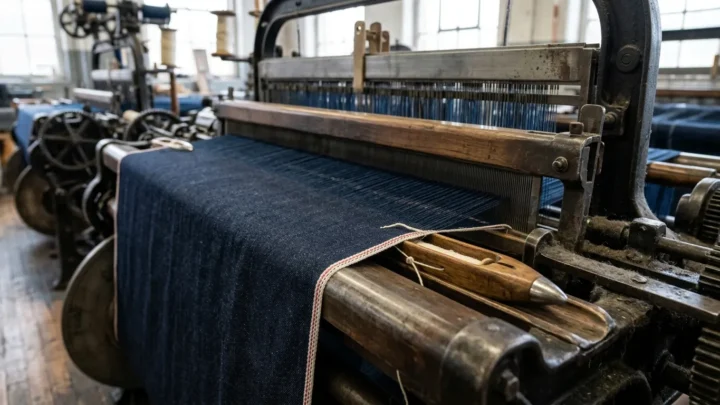
Thread count measures the number of horizontal warp threads and vertical weft threads woven into one square inch of fabric. Traditional loom limits allow only a set number of yarn strands to fit within that single square inch. For balanced plain weaves and sateen structures, that natural limit usually sits between 250 and 400 threads. Beyond this physical ceiling, fitting more threads requires mills to alter how they count.
To advertise 800 or 1,000 thread count labels, manufacturers use multi-ply yarns. Instead of spinning one strong strand from quality long-staple fibers, they take two, three, or four weak, short-staple threads and twist them together into a single yarn. They then count each separate strand in the ply as an individual thread. A fabric with 200 physical yarns per inch that uses four-ply yarn is sold as an 800 thread count product.
This practice creates dense, heavy fabrics that trap body heat and lack breathability. Regulators at the Federal Trade Commission warned manufacturers against this misleading counting method, affirming that multi-ply yarn must be counted as a single thread in standard industry labeling.
Why Long Staple Fibers Resist Pilling and Wear
Fabric pilling happens when friction breaks fiber ends and rolls them into tiny, tangled fuzz balls on the surface. Fabrics woven from short-staple cotton pill quickly because the thousands of loose, exposed fiber ends easily detach under friction from normal washing, drying, or body movement. As friction loosens these ends, they pull free from the yarn twist and form permanent clusters.
Long-staple and extra-long staple fibers prevent this mechanical breakdown. Because individual fibers are significantly longer, they remain deeply anchored inside the yarn core. Spinners twist these extended strands under even tension, leaving very few tips exposed to surface friction. The yarns hold together under repeated laundering without shedding microfibers or forming pills.
Longer fibers also offer superior tensile strength. Yarns spun from extra-long staple fibers withstand greater pulling tension before snapping. This structural integrity allows weavers to produce fine, lightweight fabrics that outlast coarse, multi-ply goods made with cheap raw materials.
Comparing Cotton Varieties in Real Fabrics
The difference between fiber grades becomes obvious when comparing common cotton products on the market:
- Standard Upland Cotton: Found in budget t-shirts, mass-market denim, and entry-level bedsheets. It relies on short to medium staples, requiring thicker yarns that can feel coarse or scratchy before washing.
- American Pima and Supima: Grown primarily in the American Southwest, these extra-long staple fibers yield fine, smooth yarns. Authentic Supima cotton guarantees purity and delivers lasting softness in dress shirts and premium sheets.
- Egyptian Giza Cotton: Grown in the nutrient-dense soil of the Nile River valley, top grades such as Giza 45 rank among the longest cotton fibers in existence. Genuine Egyptian cotton offers a cool, crisp hand that softens over years of laundering.
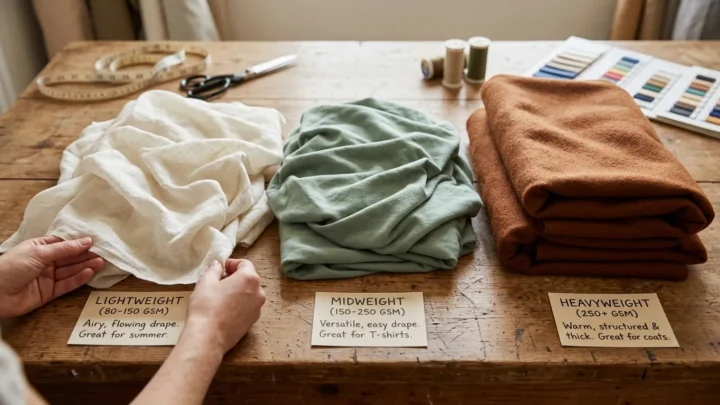
Woven structure works alongside fiber quality. As covered in our Fashion guides, yarn spinning connects closely with fabric density. Readers evaluating fabric behavior can also study how fabric GSM and weight change the balance between breathability and warmth. Furthermore, fine cotton varieties respond exceptionally well to chemical treatments like mercerized cotton processing, which rounds the fiber walls and increases shine.
Common Mistakes When Shopping for Woven Cotton Goods
Consumers often fall into predictable traps when shopping for cotton garments or bed linens. Avoiding these missteps ensures you invest in durable textiles:
- Focusing strictly on thread count: Do not assume a four-digit thread count represents luxury. True luxury begins with raw agricultural fiber quality rather than inflated yarn math.
- Ignoring the yarn ply: Always look for single-ply construction on product labels. Single-ply fabrics woven from long-staple cotton breathe better and resist wear far longer than multi-ply weaves.
- Trusting unverified labels: Many commercial products claim Egyptian Cotton despite containing only a tiny percentage of genuine Egyptian fibers blended with cheap Upland cotton. Look for trademarked seals such as the Cotton Egypt Association gold seal or the Supima trademark.
- Overlooking the weave style: A 300 thread count percale weave provides a crisp, cool texture, whereas a 300 thread count sateen weave provides a silky, draping surface. Choose based on your tactile preference rather than numbers alone.
FAQ
Does a higher thread count mean better cotton?
A higher thread count does not mean better cotton because manufacturers often inflate numbers by counting individual plies twisted into a single yarn. A 300 thread count fabric woven with single-ply, long-staple cotton is softer, more breathable, and more durable than an 800 thread count fabric built from multi-ply, short-staple cotton.
What is considered extra-long staple cotton?
Extra-long staple cotton refers to cotton fibers that measure at least 1.375 inches in length. Varieties such as Pima, Supima, and Egyptian Giza cotton belong to this category and produce smoother, stronger yarns with fewer exposed fiber ends.
Why do some high thread count sheets pill quickly?
High thread count sheets pill quickly when woven from weak, short-staple fibers that break and tangle into small surface balls during washing and friction. Multi-ply yarns leave countless exposed fiber tips on the fabric surface, accelerating pilling despite the high advertised thread count.