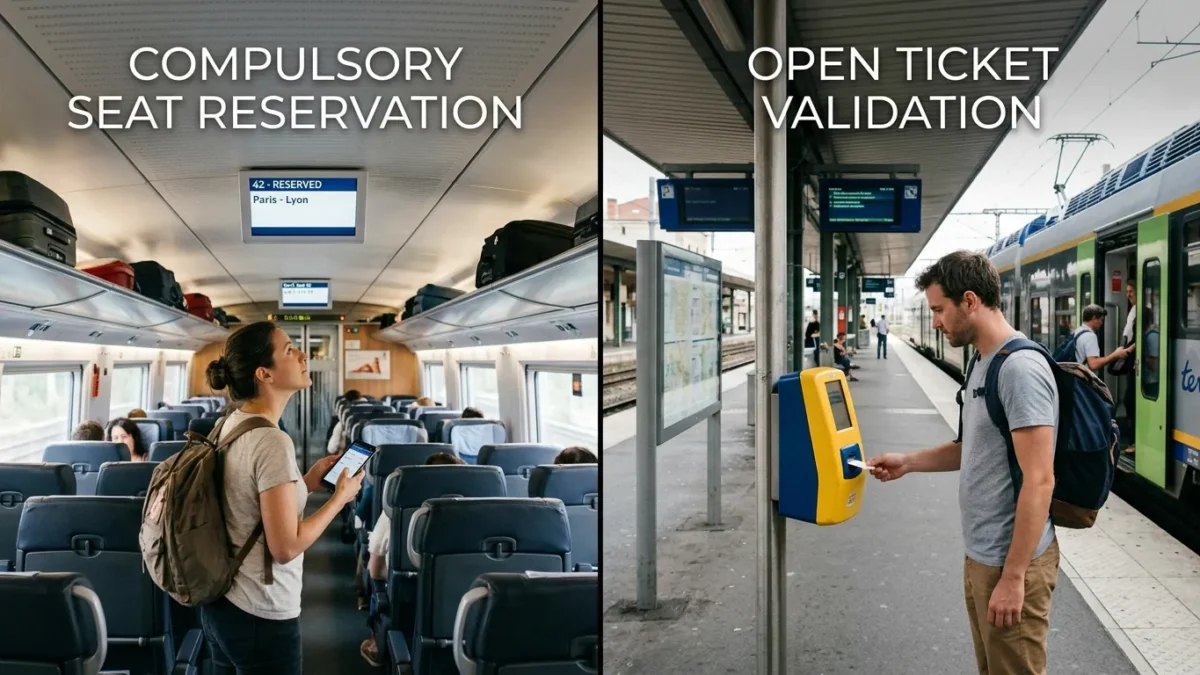
European train seat reservations work either as mandatory seat assignments tied to a specific departure or as optional add-on bookings on flexible open tickets. A standard train ticket grants you transportation between two stations, while a seat reservation assigns you a specific coach and seat number for a scheduled trip. Across European rail networks, high-speed and overnight services often bundle both into one compulsory purchase, while regional routes keep them completely separate.
At BoringMagazine.Co, we cover transit logistics so you can ride foreign trains with confidence. When planning cross-border trips using our Travel guides, remember that missing a mandatory reservation or skipping ticket validation can trigger steep penalty fares.
How Train Tickets and Seat Reservations Differ
A rail ticket functions as your transit permit, confirming that you paid for passage along a designated corridor. A seat reservation is an inventory tool that assigns you a specific place in a single carriage.
When you buy an open ticket for regional transport, you pay for the trip itself. You can board any train along that line within the ticket validity window. However, an open ticket does not guarantee an empty seat. If cars are full, you must stand in the corridor until someone departs.
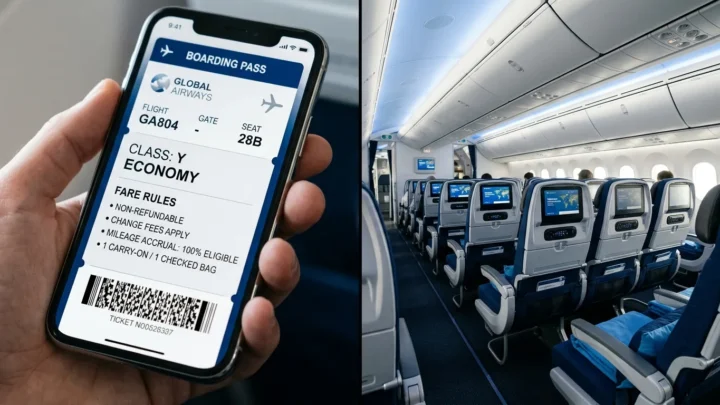
By contrast, trains with compulsory seat assignments give you a specific car and seat number. This distinction mirrors how airline ticketing separates base transit rights from cabin placement, much like how airline fare class codes dictate booking rules independently of physical seating.
Mandatory Versus Optional Seat Reservation Systems
European rail operators divide into two main operational models: open boarding networks and airline-style closed boarding services.
In France, Spain, and Italy, premier high-speed services require mandatory seat bookings. When you book a TGV in France via SNCF Connect, a Frecciarossa in Italy, or an AVE in Spain, every ticket comes with a fixed seat. Standing passengers are not permitted. If you travel with a rail pass such as Eurail or Interrail, you must pay an extra reservation fee before boarding, or conductors will treat you as traveling without a valid ticket.
In Germany, Austria, and Switzerland, high-speed lines use an optional reservation model. On Deutsche Bahn Intercity-Express (ICE) trains, you can buy a flexible ticket and board any train on your route. Reserving a seat costs an extra fee through Deutsche Bahn, but remains optional. If you do not reserve, you must find an open seat yourself. Electronic displays above seats indicate if a place is booked, such as ‘Frankfurt – München.’ If the display is blank, any passenger may sit there.
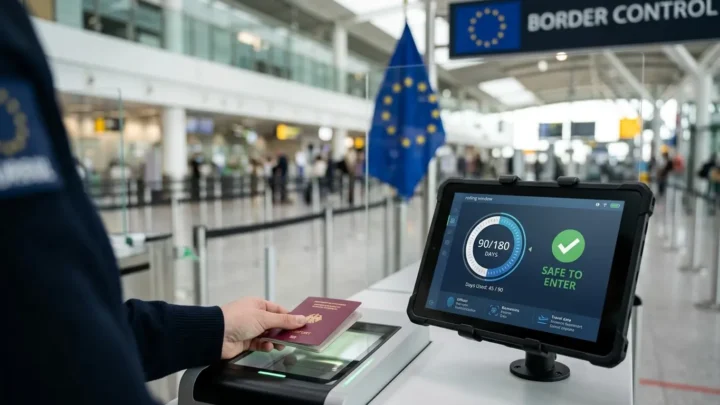
International cross-border routes frequently enforce mandatory bookings even when passing through countries with open seating models. For example, Eurostar trains mandate reserved seating on every departure. When crossing multiple borders, track your travel dates alongside rules like how to calculate the Schengen 90/180-day rule to avoid border issues.
How to Read Platform Coach Composition Displays
Boarding a long train causes confusion if you do not know where your car will stop. European stations solve this with platform composition displays, known in German as a Wagenstandsanzeiger and in French as a composition de train.
Platforms feature alphabetical sector markers hanging overhead, running from sector A through sector G. Electronic screens or printed posters show a diagram of your incoming train, matching numbered coaches to platform sectors.
To use these displays before your train arrives:
- Locate your train number on the platform monitor.
- Check your ticket for your assigned coach number.
- Find that coach number on the train composition graphic.
- Note the platform sector letter directly above that coach.
- Walk to that marked sector on the platform and wait there.
Standing in the correct sector prevents rushing down the platform with luggage during short stops. It also ensures you board the correct section when two independent train sets are joined together without an internal walkway.
Ticket Stamping and Physical Validation Rules
One common surprise for foreign visitors is the rule to physically validate paper tickets before boarding. In several countries, possessing an unvalidated paper ticket counts as traveling without a fare.
In Italy, regional paper tickets lack a fixed departure time. Before boarding, you must insert the ticket into a platform machine to stamp the date and time. In France, this process is called compostage, using yellow stamping posts near the tracks. Boarding without stamping your ticket can trigger an immediate fine from the conductor.
Digital tickets have replaced physical stamping for many routes, but procedural rules still apply. If you buy an app-based regional ticket in Italy, you must check in through the app before the scheduled departure time. In Germany and Switzerland, regional tickets from automated machines usually print with the validity time already recorded. Always check your paper ticket: if it lacks an exact timestamp, you must find a validation machine before boarding.
Common Seat Reservation Mistakes to Avoid
Travelers often face penalties by assuming all European trains follow identical regulations. Watching for common operational pitfalls will save you time and money.
- Assuming a Rail Pass Guarantees a Seat: A Eurail or Interrail pass acts as your ticket, not your seat reservation. High-speed routes in France, Italy, and Spain require pass holders to purchase a seat reservation before boarding.
- Sitting in an Express Reservation Zone: On German ICE trains, some seats are reserved for short-notice bookings by frequent commuters. These displays show “bahn.comfort” or “ggf. reserviert.” If a passenger with a reservation arrives, you must yield the seat.
- Boarding the Wrong Half of a Split Train: Some European trains divide into two separate routes midway through the trip. Two coupled train units might depart together, but coaches 1 through 7 head to one city while coaches 21 through 28 branch to another. Confirm that your coach number aligns with your final station.
- Ignoring Quiet Zone Regulations: High-speed trains often designate specific cars as quiet zones where phone calls and loud conversations are prohibited. Conductors will ask disruptive passengers to move to standard coaches.
FAQ
Do all European trains require seat reservations?
No, seat reservations are only mandatory on specific high-speed, international, and night trains, while most regional services operate with open seating. Germany and Switzerland make high-speed seat reservations optional, whereas France, Spain, and Italy require them on all flagship high-speed services.
What happens if you sit in someone else’s reserved seat?
You must vacate the seat if the passenger holding the reservation arrives and asks for it. On trains with optional reservations, unreserved passengers may sit in any open seat until the ticket holder for that segment boards the train.
Can you purchase a mandatory seat reservation from a conductor onboard?
No, you cannot buy seat reservations on board trains that enforce mandatory booking policies. Boarding a compulsory reservation train without an assigned seat can lead to an expensive fine or removal from the train at the next station.